Inca Trail or Salkantay Trek: Which One to Choose in 2026?
If you are planning to visit Peru in 2026, you are probably wondering what is the best way to reach Machu Picchu on foot. Two of the most famous routes are the Inca Trail and the Salkantay Trek, each with its unique features, landscapes, and challenges. Choosing the right route will depend on your interests, physical condition, available time, and budget. In this complete guide, you will find detailed information, comparisons, practical tips, and advice to make your experience unforgettable.
Inca Trail: The Historical Route to Machu Picchu
History and Cultural Significance
The Inca Trail is the original route used by the Incas over 500 years ago. It is full of history, connecting ancient paths, bridges, and archaeological sites. Walking this trail is like stepping back in time, crossing cloud forests, mountains, and ceremonial sites that reveal the scale of Inca engineering.
Some of the most important sites along the trail include:
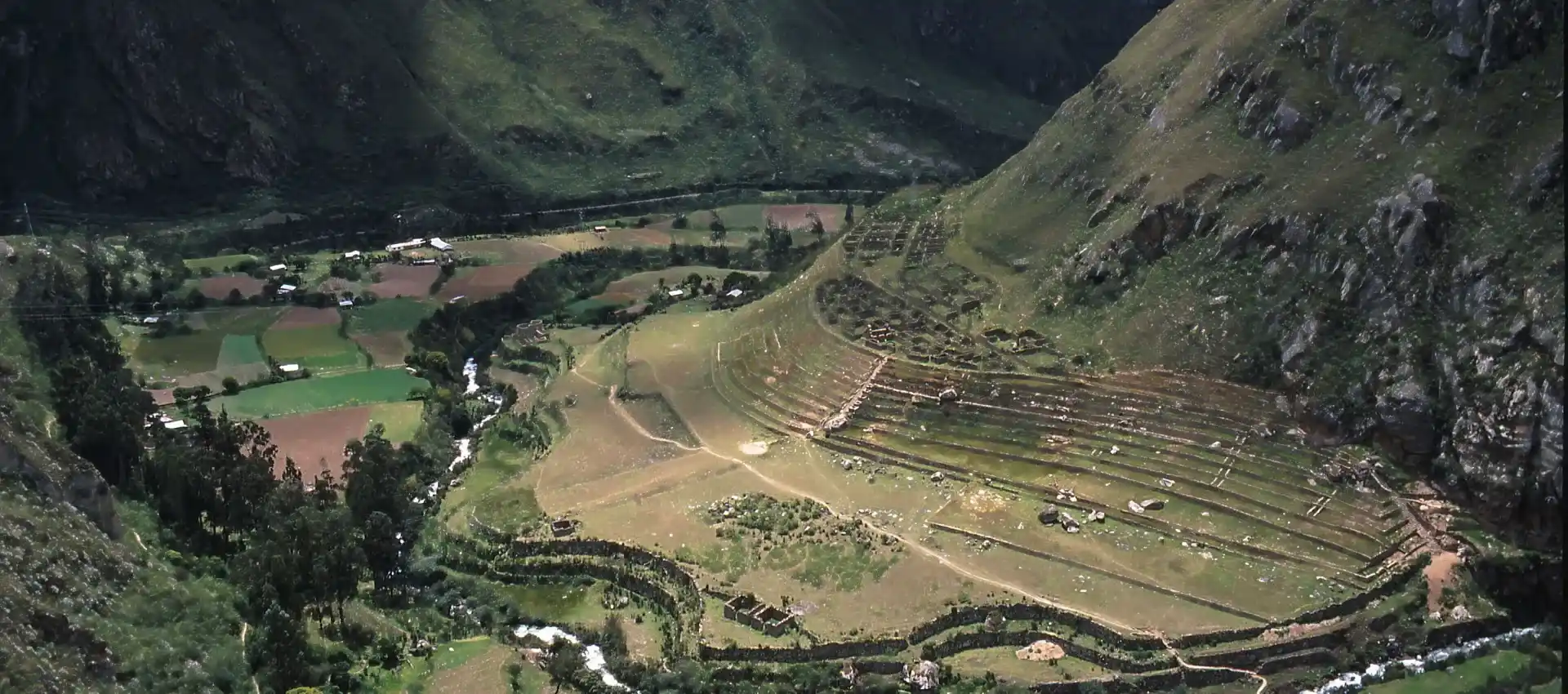
- Llactapata: archaeological site with impressive agricultural terraces.
- Wiñay Wayna: well-preserved ruins with stepped terraces.
- Intipunku (Sun Gate): the final point of the hike, offering the first panoramic view of Machu Picchu.

Distance, Duration, and Difficulty
The Classic Inca Trail is approximately 42 km and usually takes 4 days and 3 nights. The difficulty is moderate to high due to steep sections and altitude changes. Each day presents different challenges:
- Day 1: Cusco – Km 82 – Camping
- Day 2: Km 82 – Llactapata – Wiñay Wayna – Camping
- Day 3: Wiñay Wayna – Intipunku – Machu Picchu
- Day 4: Explore Machu Picchu and return to Cusco
Costs and Reservations
The Inca Trail is strictly regulated by the Peruvian government, allowing only a limited number of hikers per day. It is recommended to book 6 to 12 months in advance.
- Approximate cost: $500 – $700 USD per person.
- Includes: professional guide, entrance fees, camping, meals, and porter services.
Pros and Cons
Pros:
- Unique historical and cultural experience.
- Shorter hike to see Machu Picchu from Inca landscapes.
- Impressive ruins along the way.
Cons:
- Limited access and high demand.
- Requires early reservations.
- Moderate to high difficulty for inexperienced hikers.
Salkantay Trek: Adventure and Stunning Landscapes
History and Route
The Salkantay Trek is a more adventurous alternative to the Inca Trail. It is named after Mount Salkantay (6,271 m). This route combines mountain, snow-capped peaks, jungle, and river landscapes, showcasing Peru’s geographical diversity on the way to Machu Picchu.
The trek covers approximately 72 km in 5 days and 4 nights and is perfect for travelers seeking a more challenging and less crowded experience than the Inca Trail.
Typical Itinerary
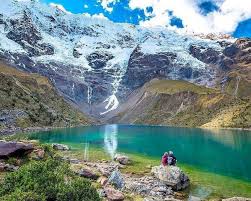
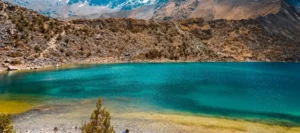
- Day 1: Cusco – Mollepata – Soraypampa (camp near Humantay Lake)
- Day 2: Soraypampa – Salkantay Pass – Colcapampa (camping)
- Day 3: Colcapampa – La Playa – Llactapata (camping)
- Day 4: Llactapata – Aguas Calientes (Machu Picchu base town)
- Day 5: Machu Picchu ascent and return to Cusco
Difficulty and Physical Preparation
The Salkantay Trek is difficult to very difficult, especially the Salkantay Pass at 4,650 meters above sea level. It is recommended to acclimatize in Cusco for at least a day before starting the hike.
Costs and Reservations
The Salkantay Trek is more flexible than the Inca Trail, as there is no daily limit set by the government. This allows booking even a few weeks in advance.
- Approximate cost: $400 – $650 USD per person
- Includes: professional guide, meals, accommodation in camps or lodges, return transport, and Machu Picchu entry
Pros and Cons
Pros:
- More varied and spectacular landscapes (mountains, jungle, rivers).
- Less crowded than the Inca Trail.
- Flexible booking options.
Cons:
- Longer and physically demanding.
- Requires good fitness and altitude tolerance.
- Some areas are remote and require logistical planning.
Inca Trail vs Salkantay Trek Comparison
| Feature | Inca Trail | Salkantay Trek |
|---|---|---|
| Duration | 4 days / 3 nights | 5 days / 4 nights |
| Distance | 42 km | 72 km |
| Difficulty | Moderate to high | Difficult to very difficult |
| Landscapes | Ruins, cloud forests | Mountains, jungle, rivers, snow-capped peaks |
| Access | Strict regulation, limited spots | Flexible, no daily limits |
| Reservation | 6-12 months in advance | 2-3 weeks or more |
| Price | $500 – $700 USD | $400 – $650 USD |
| Cultural Experience | High, archaeological sites | Moderate, interaction with local communities |
Trekking Preparation
Health and Acclimatization
- Arrive in Cusco at least 2 days before to acclimatize.
- Stay hydrated and drink electrolyte beverages.
- Avoid alcohol and heavy meals for the first few days.
- Consider altitude sickness medication or coca tea.
Packing Recommendations
- Light backpack with layered clothing
- Waterproof and windproof jacket
- Sturdy trekking boots
- Trekking poles
- Sunscreen, sunglasses, and hat
- Water bottle and energy snacks
Unique Experiences During the Hike
- Sunrises and sunsets over the Andes
- Sleeping under the stars in camps surrounded by nature
- Interacting with guides and local communities
- Discovering endemic flora and fauna of Peru
Local Cuisine and Culture
During the trek and stops, you can enjoy:
- Andean dishes: cuy (guinea pig), alpaca stew, quinoa soup
- Local snacks: empanadas, tamales, Andean fruits
- Beverages: coca tea, chicha de jora
Conclusion: Inca Trail or Salkantay Trek?
Both routes are spectacular and offer unique experiences to Machu Picchu. The choice depends on your priorities:
- Inca Trail: ideal for history, ruins, and a traditional experience, but requires advance booking.
- Salkantay Trek: perfect for adventure, diverse landscapes, and flexible booking, but more physically demanding.
In 2026, plan ahead, choose the route that best fits your fitness level and preferences, and get ready for an unforgettable experience in the Peruvian Andes.
Get ready for your adventure and discover Machu Picchu in the best way possible!