Cusco Weather: What to Pack and How to Adapt to the Altitude
Traveling to Cusco is an experience that goes beyond the senses. It is a journey to the heart of history, a place where the mysticism of the Andes merges with colonial architecture. However, to fully enjoy this adventure, it is essential to be prepared for two of the city’s biggest challenges: its unpredictable weather and its high altitude.
Imagine this: you wake up to a cold that chills you to the bone, so you bundle up in several layers of clothing, and by midday, the sun shines so intensely that it feels like you are in the desert. Then, by sunset, a sudden rain shower forces you to seek shelter. And all of this happens while your body is adjusting to an altitude of 3,400 meters above sea level. Don’t worry, it is not as complicated as it sounds. In this complete guide, we will tell you everything you need to know about the weather in Cusco, what to pack in your suitcase, and most importantly, how to adapt to the altitude safely and efficiently.
The Weather in Cusco: A Dance of Seasons
The weather in Cusco does not follow the four traditional seasons, but instead two very distinct periods: the dry season and the rainy season. Each has its own charm and challenges, and understanding them will help you plan your trip wisely.
The Dry Season (April to October)
This is the most popular time among travelers and, for many, the best time to travel to Cusco. The weather is generally stable and predictable. The days are sunny, while mornings and nights are cold, sometimes reaching temperatures below freezing.
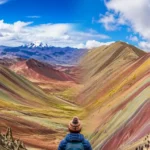
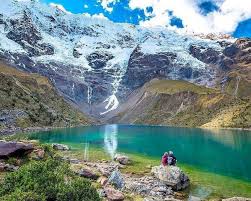
- Bright days: Clear blue skies are the norm, offering breathtaking panoramic views of the mountains and Andean valleys. This is ideal for long hikes and outdoor excursions such as the Inca Trail, Rainbow Mountain, or Humantay Lake. UV radiation is extremely high due to the altitude and lack of clouds, so sun protection is non-negotiable.
- Cold nights: Despite the sunny days, temperatures drop dramatically after sunset. The wind chill can feel very low, especially in June and July, the coldest months of the year.
- Lower chance of rain: Rainfall is minimal, which means your plans are less likely to be affected by bad weather.
The Rainy Season (November to March)
Traveling during the rainy season is a completely different experience, but no less magical. Although rain is more frequent, it rarely lasts all day. Mornings are often sunny, and if rain does come, it usually arrives in the afternoon.
- Green and vibrant landscapes: Rain transforms the region’s scenery into something incredibly lush and green. The valleys and mountains shine with astonishing vitality, creating the perfect setting for photography. It is the ideal time for nature lovers seeking a more intimate and authentic atmosphere.
- Fewer tourists and lower prices: This is considered the low season. The number of travelers drops significantly, which means lower prices for flights, tours, and accommodations. If you are looking for a more relaxed experience without the crowds of the high season, this is your chance.
- The exception: the Inca Trail in February: It is important to know that the Inca Trail closes every year in February for maintenance and preservation. However, Machu Picchu and other alternative trails remain open.
What to Pack for Cusco: The Layering Rule
Packing for Cusco may seem challenging, but the key is one word: layers. The temperature can change dramatically in a single day, so dressing in layers will allow you to easily adapt to any weather change. Here is a breakdown of what is essential.
Essential Clothing and Footwear
- Base layer (breathable): Short- and long-sleeve shirts made from moisture-wicking materials, such as cotton or technical fabrics. These will be your foundation for sunny days.
- Second layer (insulating): A fleece jacket, pullover, or sweatshirt. This will provide the warmth you need during cold mornings or in the afternoon.
- Third layer (protective): A waterproof and windproof jacket. Do not go out without it, as it will protect you from sudden rain showers and icy wind.
- Pants: Bring comfortable walking pants. Trekking pants are an excellent option because they are lightweight and dry quickly.
- Proper footwear: This is one of the most important points. A good pair of waterproof, sturdy hiking boots is essential, especially if you plan to do long hikes. A pair of comfortable sneakers for walking around the city is also very useful.
Accessories That Will Save Your Trip
- Sun protection: The Andean sun can be deceiving. Bring a wide-brimmed hat or cap, sunglasses with UV protection, and most importantly, high-factor sunscreen (SPF 30 or higher). Apply it several times a day, even if it is cloudy.
- Cold-weather accessories: A beanie, scarf, and gloves are your best allies for the evenings. They do not take up much space and will make a huge difference.
- Reusable water bottle: Hydration is key to fighting altitude sickness, and a reusable bottle will help you stay hydrated while reducing plastic use.
- Small daypack: For your excursions and city walks, a lightweight backpack is ideal for carrying your jacket, water, sunscreen, and other essentials.
Cusco’s Altitude: How to Adapt and Fight Soroche
Cusco’s altitude is one of the biggest challenges for most travelers. Altitude sickness, locally known as soroche, is the body’s reaction to lower oxygen levels at high elevations. Its symptoms may include headache, nausea, dizziness, loss of appetite, and fatigue. Fortunately, with the right preparation, you can minimize its effects and enjoy your trip without setbacks.
Foolproof Acclimatization Strategies
Step 1: Take it easy on the first day: This is the golden rule. Do not rush into exploring. Use your first day to rest, walk slowly, and acclimatize. Resist the temptation to immediately head to the highest tourist sites.
Step 2: Stay well hydrated: Drink water constantly. Dehydration can worsen altitude sickness symptoms. Avoid alcohol and coffee, as they dehydrate your body and can interfere with your adjustment to the altitude.
Step 3: Eat light meals: Choose light foods and avoid greasy or heavy dishes. Go for soups, vegetables, and carbohydrates. A good Andean chicken broth or quinoa soup are excellent options that can help you feel better.
Step 4: The power of coca: Chewing coca leaves or drinking coca tea is an ancestral remedy that locals have used for centuries. It is very effective for relieving mild soroche symptoms, and you will find it in almost every hotel, restaurant, and market.
Step 5: Consider medication: Consult your doctor before traveling. Some medications, such as acetazolamide (Diamox), may help prevent altitude sickness symptoms.
A Typical Day in Cusco: A Practical Example
Imagine waking up at 7 a.m. in your hotel. You drink a coca tea and dress in layers: a T-shirt, a long-sleeve shirt, and a fleece jacket. You go for a walk around the historic center, moving slowly and stopping often to enjoy the views. By mid-morning, the sun is already warming things up, so you take off your jacket and store it in your daypack.
You keep drinking water constantly. For lunch, you choose a light meal instead of a heavy dish. In the afternoon, you get caught in a drizzle. You take out your waterproof jacket and continue exploring without any problem. As the sun sets, you put all your layers back on, plus a beanie, to walk back to your hotel.
The Importance of Choosing Your Accommodation Well
Your hotel is not just a place to sleep. Many accommodations in Cusco are prepared to help guests acclimatize by offering supplemental oxygen, coca infusions, and useful advice. Choosing a hotel with good reviews and services like these can make a big difference on your first night.
Consult Experts for a Worry-Free Trip
At Aremika Travel, we know that every detail matters. Preparing for the weather and Cusco’s altitude is the first step toward an unforgettable adventure. By following these tips, you will be ready to immerse yourself in the magic of this city and its surroundings. Is your backpack ready yet?