Acclimatization in Cusco: Complete Guide to Avoid Altitude Sickness and Enjoy Your Trip
Acclimatization in Cusco is one of the most important aspects every traveler should consider before starting a tour in southern Peru. Located at over 3,300 meters (11,000 feet) above sea level, the city of Cusco receives thousands of visitors every year who come attracted by its history, culture, and proximity to Machu Picchu.
Without proper altitude adjustment, even the best itinerary can be affected by symptoms such as headaches, fatigue, or nausea. In this complete guide, we explain what acclimatization is, how to prepare before arriving, what to do during your first days in Cusco, and the best tips to enjoy your trip without problems.
What Is Acclimatization and Why Is It So Important in Cusco?
Acclimatization is the natural process by which the body adapts to lower oxygen levels at high altitude. In cities like Cusco, atmospheric pressure is lower than at sea level, which means each breath provides less oxygen to the body.
When this process is ignored, altitude sickness, locally known as soroche, can occur. This is a common condition among travelers who arrive from lower elevations and perform intense physical activities without prior rest.
Altitude of Cusco and Nearby Areas
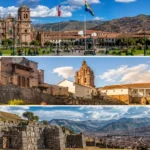
- Cusco city: 3,399 m (11,152 ft)
- Sacred Valley: between 2,800 and 3,000 m (9,186 – 9,842 ft)
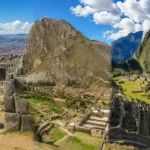
- Machu Picchu: 2,430 m (7,972 ft)
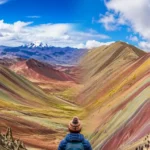
- Rainbow Mountain: over 5,000 m (16,400 ft)
These altitude variations make good planning essential to avoid discomfort.
Common Altitude Sickness Symptoms
Symptoms may vary depending on the person, physical condition, and how quickly they ascend. Recognizing them early allows you to take preventive action.
Mild Symptoms
- Headache
- Fatigue or drowsiness
- Mild dizziness
- Loss of appetite
Moderate Symptoms
- Nausea or vomiting
- Difficulty sleeping
- Shortness of breath
Severe Symptoms (Rare)
In rare cases, serious complications may occur. If symptoms worsen, it is always recommended to descend to a lower altitude and seek medical attention.
How to Acclimatize Properly in Cusco
1. Arrive with a Proper Plan
Ideally, your itinerary should begin with light activities. Many travelers choose to spend the first night in Cusco and then continue to the Sacred Valley of the Incas, where the altitude is lower and acclimatization is more gradual.
2. Rest on the First Day
Avoid long walks, steep stairs, or demanding tours during your first 24 hours. A short walk around the Plaza de Armas or a relaxed visit to a local café is enough.
3. Stay Well Hydrated
Drinking water constantly helps your body oxygenate better. Avoid alcohol during the first days, as it can intensify symptoms.
4. Eat Light Meals
Cusco’s cuisine is delicious, but during the first days it is better to choose soups, broths, and easy-to-digest meals.
Coca Tea and Other Natural Remedies
Coca tea is a traditional infusion widely used in the Andean region. It helps relieve mild altitude sickness symptoms and is offered in most hotels and restaurants in Cusco.
Other Natural Helpers
- Anise or chamomile infusions
- Coca or muña candies
- Slow, deep breathing
These methods do not replace rest, but they do help the acclimatization process.
How Many Days Are Needed for Proper Acclimatization?
For most travelers, 1 to 2 days are enough to acclimatize in Cusco before doing more demanding tours such as Machu Picchu or the Sacred Valley.
If your itinerary includes high-altitude hikes such as Rainbow Mountain or the Inca Trail, it is recommended to have at least 2 full days of acclimatization beforehand.
Common Mistakes You Should Avoid
Not Listening to Your Body
Ignoring symptoms and forcing yourself to continue your itinerary can worsen the experience.
Ascending Too Quickly
Going directly from sea level to very high areas without prior rest is one of the most common causes of altitude sickness.
Too Much Physical Activity
Cusco invites you to walk everywhere, but it is important to do so gradually.
Final Tips to Enjoy Cusco Without Worries
Acclimatization in Cusco should not be seen as a limitation, but as part of the experience of traveling to the Andes. Taking the necessary time to adapt will allow you to fully enjoy its landscapes, history, and unique energy. With good planning, proper hydration, and a well-designed itinerary, your trip will be much more comfortable and memorable. Cusco rewards those who respect its natural rhythm.
Preparing well is the first step to experiencing an unforgettable adventure in the heart of the ancient Inca Empire.