Altitude Sickness in Cusco: Symptoms, Prevention and Treatment | Complete Guide 2026
Traveling to Cusco is an unforgettable experience, especially for those planning to visit Machu Picchu. However, one of the most important factors to consider before your trip is altitude sickness, also known locally as soroche.
Because Cusco sits at over 11,000 feet (3,300 meters) above sea level, many travelers may experience symptoms related to lower oxygen levels. In this complete guide, you will learn what altitude sickness is, its symptoms, how to prevent it, and what to do if you experience it during your trip.
What Is Altitude Sickness?
Altitude sickness, medically known as Acute Mountain Sickness (AMS), occurs when your body does not adapt properly to lower oxygen levels at high elevations. As you ascend quickly, your body needs time to adjust to the reduced air pressure and oxygen availability.
This condition is common in high-altitude destinations like Cusco, the Sacred Valley, and surrounding areas near Machu Picchu. While most cases are mild, it is important to take precautions to avoid complications.
Why Does Altitude Sickness Occur in Cusco?
Cusco is located at approximately 11,150 feet (3,399 meters) above sea level, meaning the air contains significantly less oxygen than at sea level. When you arrive from a lower altitude, your body must adapt to these new conditions.
Altitude sickness mainly occurs due to:
- Rapid ascent without proper acclimatization
- Dehydration
- Physical exertion upon arrival
- Alcohol consumption or heavy meals
Who Is at Higher Risk?
Anyone can experience altitude sickness regardless of age or fitness level. However, certain factors increase the risk:
- Traveling directly from sea level to Cusco
- Lack of acclimatization time
- Engaging in intense physical activity on the first day
- Not drinking enough fluids
Even young and physically fit travelers may experience symptoms, so it is important not to underestimate altitude sickness.
Altitude Sickness Symptoms — Mild vs Severe
The first step to managing altitude sickness is knowing how to recognize it. Symptoms fall into two very different categories — and confusing them can be a serious mistake:
Mild symptoms (common soroche) — affect about 80% of visitors
- 🤕 Headache — the most common symptom, especially in the first few hours after arrival
- 😴 Fatigue and drowsiness — unusual tiredness even without physical exertion
- 🌀 Mild dizziness — a feeling of unsteadiness when walking or standing up
- 🤢 Mild nausea — stomach discomfort without vomiting
- 😮💨 Shortness of breath on exertion — climbing stairs or walking fast feels harder than normal
- 😴 Insomnia — difficulty sleeping the first night, especially above 11,500 ft
Mild symptoms usually resolve on their own within 24 to 48 hours with rest, hydration, and no physical strain. They are not dangerous if respected.
Severe symptoms — require immediate medical attention
- 🚨 Persistent vomiting — more than 3–4 times, inability to keep fluids down
- 🚨 Breathlessness at rest — struggling to breathe without any physical effort
- 🚨 Mental confusion or disorientation — difficulty thinking clearly, not knowing where you are
- 🚨 Ataxia — inability to walk in a straight line
- 🚨 Coughing blood or pink frothy sputum
🚨 If any severe symptom appears: descend to lower altitude immediately and seek medical attention. Cusco has clinics with hyperbaric chambers. Do not wait to see if it improves on its own — with severe symptoms, time is critical.
Remedies and Treatments — What Actually Works
Local remedies
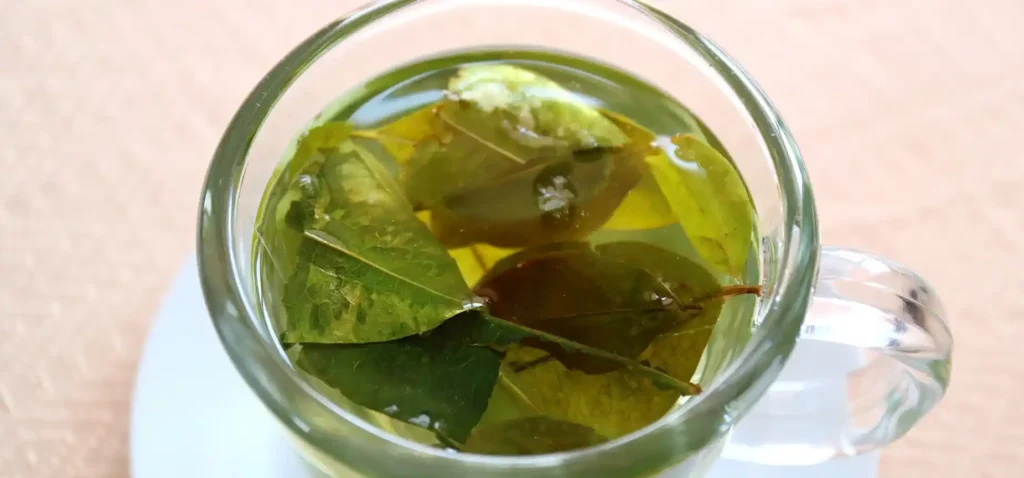
- 🍵 Coca leaf tea: the most effective and widely used remedy in the Andes for centuries. Coca leaves are not cocaine — they are a legal medicinal plant in Peru that stimulates blood circulation and relieves altitude sickness symptoms. Order it at any restaurant or hotel from the moment you arrive. It has no hallucinogenic effects.
- 💊 Sorojchi Pills: over-the-counter tablets available at Cusco pharmacies, made with caffeine, acetylsalicylic acid, and salicylate. The most widely used local medication for mild altitude sickness. Take them with food to avoid stomach discomfort.
- 🫁 Supplemental oxygen: available at most Cusco hotels. If your headache is intense, 10–15 minutes of oxygen usually provides quick relief. Some travelers overuse it — it’s temporary relief, not a treatment.
Medication — consult your doctor before traveling
- 💊 Acetazolamide (Diamox): the most commonly prescribed medication to prevent altitude sickness. It works by accelerating acclimatization. Typical dosage: 125–250 mg twice daily, starting 1–2 days before arriving at altitude. Requires a prescription and has contraindications (sulfa drug allergy, pregnancy). Consult your doctor.
- 💊 Ibuprofen: recent studies show that ibuprofen (600 mg every 8 hours) is nearly as effective as acetazolamide for preventing altitude headaches, without its side effects. A good option if you can’t take Diamox.
- 🚫 Alcohol: absolutely contraindicated in the first 24–48 hours. Alcohol dehydrates, worsens symptoms, and can turn mild soroche into a serious condition.
Your First 24 Hours in Cusco — What to Do and What to Avoid
Your arrival day in Cusco is the most critical. Many travelers underestimate it — and pay for it in the days that follow. Follow this protocol and your acclimatization will be significantly smoother:
✅ What to do
- Rest for the first few hours: arrive at your hotel, settle in, and take 2–3 hours of complete rest. Don’t rush off to visit Sacsayhuamán.
- Drink water constantly: at least 3 liters per day. Dehydration worsens every symptom. Bottled water is safe in Cusco.
- Eat light: soups, rice, avocado, fruit. Avoid heavy, greasy meals in the first few hours.
- Drink coca tea: from the very first moment. Order it with breakfast, lunch, and before bed.
- Walk slowly: if you go out, move at a slower pace than usual. Uphill streets like San Blas neighborhood can be surprisingly demanding on Day 1.
- Sleep well: acclimatization happens primarily during sleep. Make sure you sleep well your first night.
❌ What to avoid
- Alcohol: no celebration is worth a serious case of altitude sickness. Zero alcohol for the first 48 hours.
- Intense exercise: don’t go running, don’t do high-intensity yoga, don’t take stairs two at a time.
- Very hot showers: they dilate blood vessels and can trigger intense dizziness.
- Sedatives or sleeping pills: some sedatives suppress breathing and can worsen nighttime symptoms.
- Going straight to trekking: if you arrive in Cusco and the next day head straight to the Inca Trail or Rainbow Mountain without proper acclimatization, the impact can be severe.
💡 Golden rule for acclimatization: Spend at least 2 nights in Cusco before starting any trekking activity. Your body needs that time to increase red blood cell production and adapt to the lower oxygen concentration at altitude.
Altitude Sickness and Trekking from Cusco
If you’re planning the Inca Trail, Salkantay Trek, Ausangate, or any high-altitude route in the region, prior acclimatization isn’t optional — it’s the difference between enjoying your trek and simply surviving it.
🏔️ Recommended Acclimatization for Cusco’s Most Popular Treks and Tours
🟢 Low acclimatization requirement: suitable for most travelers and families.
✅ Recommended acclimatization: helps significantly reduce the risk of altitude sickness.
⚠️ High altitude: proper hydration, rest, and gradual adjustment are strongly advised.
🔴 Extreme altitude trekking: additional acclimatization days are highly recommended before starting the hike.
At Aremika Travel we always recommend arriving in Cusco at least 2 days before any trek begins. Our guides also carry supplemental oxygen on all high-altitude routes.
Tips for Machu Picchu Tours
If you are planning a Machu Picchu tour from Cusco, keep these tips in mind:
- Choose a tour that allows time for acclimatization
- Consider starting from the Sacred Valley (lower altitude)
- Opt for a 2-day tour for a more relaxed experience
Many travelers prefer to begin their journey in the Sacred Valley before heading to Machu Picchu, as it helps reduce the effects of altitude sickness.
Frequently Asked Questions about Altitude Sickness in Cusco
How long does it take to acclimatize to Cusco?
Most travelers acclimatize fully between the second and fourth day in Cusco. Mild symptoms typically disappear within 24–48 hours. Full acclimatization (actual increase in red blood cells) takes several weeks, but for typical tourist activities in Cusco, 2–3 days are sufficient.
Is altitude sickness dangerous?
In its mild form (soroche), altitude sickness is uncomfortable but not dangerous if you respect rest and hydration guidelines. In its severe forms — High Altitude Pulmonary Edema (HAPE) and High Altitude Cerebral Edema (HACE) — it can be potentially life-threatening if not treated urgently. This is why recognizing severe symptoms and acting quickly is critical.
Is It Safe to Visit Machu Picchu with Altitude Sickness?
Yes, in most cases it is safe. In fact, Machu Picchu is located at a lower altitude (approximately 7,970 feet / 2,430 meters), so many travelers actually feel better once they arrive.
However, it is recommended to spend at least one day in Cusco or the Sacred Valley before taking a Machu Picchu tour, especially if you are planning a full-day tour or a 2-day experience.
Do children and older travelers suffer more from altitude sickness?
Surprisingly, there is no proven correlation between age and susceptibility to soroche. A fit young athlete can suffer more than a 60-year-old traveler. What does matter is cardiovascular health, prior hydration, and the speed of ascent. Very young children (under 2 years old) do require extra caution.
Can I drink alcohol in Cusco?
After the first 48 hours of acclimatization, moderate alcohol consumption is usually fine for most travelers. However, alcohol always dehydrates and Cusco already demands higher hydration than normal — drink water between drinks, and never drink if you currently have active symptoms.
Does Coca-Cola help with altitude sickness?
This is a widespread Andean myth with little solid scientific basis. The caffeine in Coca-Cola may mildly relieve headache, but it does not treat soroche. Coca leaf tea and water hydration are far more effective.
Planning to Trek in Cusco?
Our certified guides carry supplemental oxygen on all treks and prepare you for altitude before departure. Small groups, pace adapted to your group.
Final Thoughts
Altitude sickness in Cusco is common, but with proper preparation it does not have to affect your trip. By following simple recommendations such as resting, staying hydrated, and planning your itinerary carefully, you can fully enjoy your experience.
The key is to listen to your body and give yourself time to adapt. This way, you can explore Machu Picchu and other incredible destinations without issues.