Altitude Sickness in Cusco: Symptoms, Prevention and Treatment | Complete Guide 2026
Traveling to Cusco is an unforgettable experience, especially for those planning to visit Machu Picchu. However, one of the most important factors to consider before your trip is altitude sickness, also known locally as soroche.
Because Cusco sits at over 11,000 feet (3,300 meters) above sea level, many travelers may experience symptoms related to lower oxygen levels. In this complete guide, you will learn what altitude sickness is, its symptoms, how to prevent it, and what to do if you experience it during your trip.
What Is Altitude Sickness?
Altitude sickness, medically known as Acute Mountain Sickness (AMS), occurs when your body does not adapt properly to lower oxygen levels at high elevations. As you ascend quickly, your body needs time to adjust to the reduced air pressure and oxygen availability.
This condition is common in high-altitude destinations like Cusco, the Sacred Valley, and surrounding areas near Machu Picchu. While most cases are mild, it is important to take precautions to avoid complications.
Why Does Altitude Sickness Occur in Cusco?
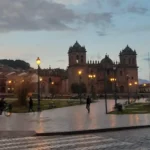
Cusco is located at approximately 11,150 feet (3,399 meters) above sea level, meaning the air contains significantly less oxygen than at sea level. When you arrive from a lower altitude, your body must adapt to these new conditions.
Altitude sickness mainly occurs due to:
- Rapid ascent without proper acclimatization
- Dehydration
- Physical exertion upon arrival
- Alcohol consumption or heavy meals
Symptoms of Altitude Sickness
Symptoms can range from mild to moderate and typically appear within the first 6 to 24 hours after arriving in Cusco.
Common Symptoms:
- Headache
- Nausea or vomiting
- Dizziness
- Fatigue or weakness
- Difficulty sleeping
- Loss of appetite
In rare but more serious cases, symptoms may include shortness of breath or chest tightness. If this happens, seek medical attention immediately.
Who Is at Higher Risk?
Anyone can experience altitude sickness regardless of age or fitness level. However, certain factors increase the risk:
- Traveling directly from sea level to Cusco
- Lack of acclimatization time
- Engaging in intense physical activity on the first day
- Not drinking enough fluids
Even young and physically fit travelers may experience symptoms, so it is important not to underestimate altitude sickness.
How to Prevent Altitude Sickness in Cusco
The best way to avoid altitude sickness is to allow your body to adapt gradually. Here are the most effective tips:
1. Rest on Your First Day
After arriving in Cusco, avoid strenuous activities. Walk slowly and give your body time to adjust.
2. Stay Hydrated
Drinking plenty of water helps your body adapt to the altitude more efficiently.
3. Eat Light Meals
Avoid heavy foods during your first days. Choose soups, fruits, and easily digestible meals.
4. Avoid Alcohol and Smoking
These can worsen altitude sickness symptoms.
5. Try Natural Remedies
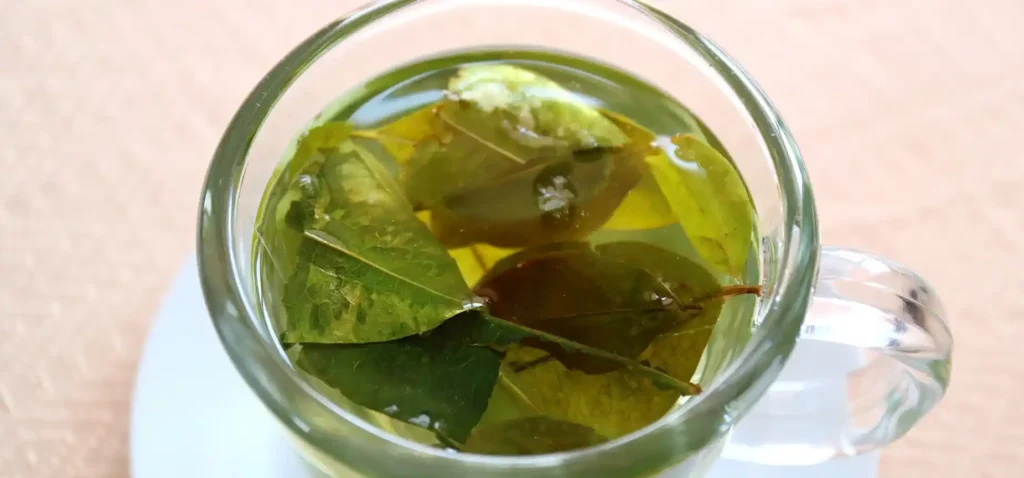
Coca tea is a traditional remedy widely used in the Andes to relieve symptoms of altitude sickness. You can also find coca candies or leaves.
6. Consider Medication
Some travelers take medications such as acetazolamide before traveling. Always consult your doctor before using any medication.
How Long Does Altitude Sickness Last?
In most cases, symptoms improve within 24 to 48 hours as your body acclimatizes to the altitude. During this period, rest and avoid unnecessary physical effort.
If symptoms persist or worsen, it is recommended to descend to a lower altitude and seek medical assistance.
Is It Safe to Visit Machu Picchu with Altitude Sickness?
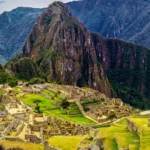
Yes, in most cases it is safe. In fact, Machu Picchu is located at a lower altitude (approximately 7,970 feet / 2,430 meters), so many travelers actually feel better once they arrive.
However, it is recommended to spend at least one day in Cusco or the Sacred Valley before taking a Machu Picchu tour, especially if you are planning a full-day tour or a 2-day experience.
Tips for Machu Picchu Tours
If you are planning a Machu Picchu tour from Cusco, keep these tips in mind:
- Choose a tour that allows time for acclimatization
- Consider starting from the Sacred Valley (lower altitude)
- Opt for a 2-day tour for a more relaxed experience
Many travelers prefer to begin their journey in the Sacred Valley before heading to Machu Picchu, as it helps reduce the effects of altitude sickness.
Natural and Traditional Remedies
In Cusco, you will find several natural remedies used for generations:
- Coca tea
- Coca candies
- Muña herbal tea
- Rest and hydration
These remedies can help relieve mild symptoms and improve your overall comfort during the first days.
Final Thoughts
Altitude sickness in Cusco is common, but with proper preparation it does not have to affect your trip. By following simple recommendations such as resting, staying hydrated, and planning your itinerary carefully, you can fully enjoy your experience.
The key is to listen to your body and give yourself time to adapt. This way, you can explore Machu Picchu and other incredible destinations without issues.