Inca Trail vs Salkantay Trek: Which is the Best Route to Machu Picchu?
Choosing between the Inca Trail vs Salkantay Trek is one of the most important decisions travelers face when planning their adventure to Machu Picchu. Both routes offer breathtaking landscapes, unique cultural experiences, and the opportunity to reach one of the most iconic destinations in the world. However, they are very different in terms of difficulty, scenery, cost, and overall experience.
If you are considering a Machu Picchu trekking tour, understanding the key differences between these two routes will help you select the one that best fits your expectations, physical condition, and travel style. In this complete guide, we compare the Inca Trail and the Salkantay Trek in detail so you can make the right decision.
Overview of the Inca Trail
The Inca Trail is the most famous trekking route in South America and one of the most iconic hikes in the world. This ancient path was built by the Incas and leads directly to Machu Picchu through a network of original stone trails, archaeological sites, and diverse ecosystems.
Most travelers complete the classic Inca Trail trek in 4 days and 3 nights, covering approximately 42 kilometers (26 miles). The highlight of this journey is arriving at the Sun Gate (Inti Punku) at sunrise, where you get your first panoramic view of Machu Picchu.
Because of its popularity and historical significance, access to the Inca Trail is strictly regulated, with limited permits available each day.
Overview of the Salkantay Trek
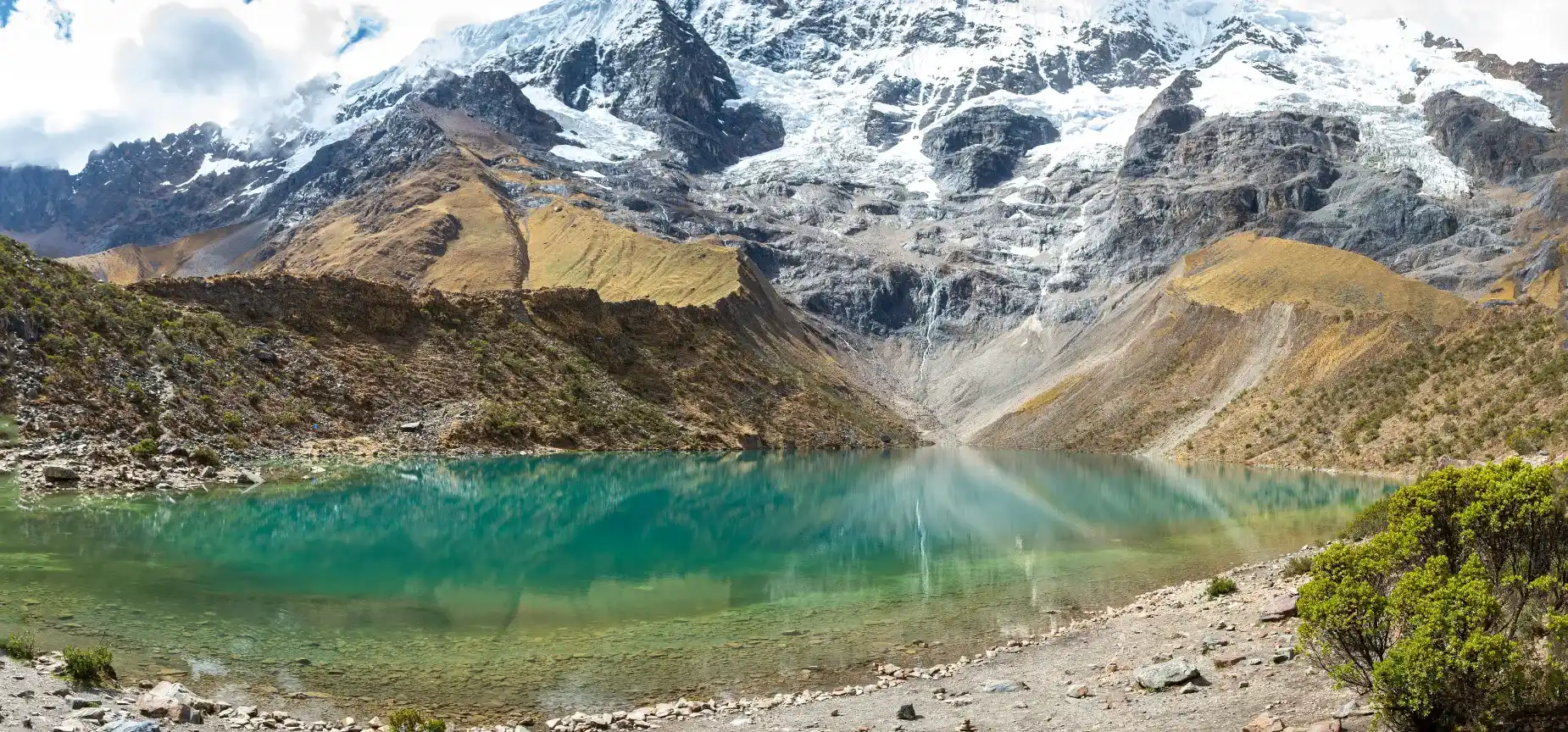
The Salkantay Trek is a spectacular alternative to the Inca Trail and has gained popularity among travelers looking for a more adventurous and less crowded route to Machu Picchu. This trek takes you through a variety of landscapes, from snow-capped mountains to tropical cloud forests.
The classic Salkantay trek to Machu Picchu typically lasts 4 to 5 days and covers a longer distance than the Inca Trail. One of its main highlights is crossing the Salkantay Pass at over 4,600 meters (15,000 feet), offering stunning views of the surrounding mountains.
Unlike the Inca Trail, this route does not require permits months in advance, making it a more flexible option.
Key Differences: Inca Trail vs Salkantay Trek
1. Difficulty Level
When comparing Inca Trail vs Salkantay Trek, one of the most important factors is difficulty. The Inca Trail is considered moderately challenging, with a combination of uphill climbs, stone steps, and high-altitude sections.
On the other hand, the Salkantay Trek is generally more physically demanding. It involves longer distances, higher altitudes, and more extreme terrain, especially when crossing the Salkantay Pass. This makes it more suitable for experienced hikers or those in excellent physical condition.
2. Scenery and Landscapes
Both treks offer incredible scenery, but the experience is quite different. The Inca Trail focuses more on cultural and historical elements, with multiple archaeological sites along the route.
In contrast, the Salkantay Trek is known for its dramatic and diverse landscapes. You will pass glaciers, high mountain passes, jungles, and rivers, making it one of the most scenic routes in Peru.
3. Access to Machu Picchu
One of the biggest advantages of the Inca Trail is that it leads directly to Machu Picchu through the Sun Gate, offering a unique and unforgettable entrance.
The Salkantay Trek, however, ends in Aguas Calientes, and from there you will take a bus or hike to reach Machu Picchu. While the arrival is less dramatic, the journey itself is equally rewarding.
4. Permits and Availability
The Inca Trail permits are limited and often sell out months in advance, especially during peak season. This requires careful planning and early booking.
In contrast, the Salkantay Trek does not require special permits, making it a great last-minute option for travelers.
5. Cost Comparison
In general, the Inca Trail is more expensive due to permit fees, regulations, and included services. Prices can vary depending on the tour operator and level of comfort.
The Salkantay Trek is usually more affordable, offering a budget-friendly alternative without sacrificing the overall experience.
6. Crowds and Experience
Because of its popularity, the Inca Trail can feel crowded, especially during the high season. However, the limited number of permits helps control the flow of visitors.
The Salkantay Trek is less crowded, providing a more remote and peaceful experience in nature.
Which Trek Is Best for You?
Choosing between the Inca Trail vs Salkantay Trek ultimately depends on your travel style and priorities.
Choose the Inca Trail if:
- You want to walk the original Inca paths
- You are interested in history and archaeology
- You prefer a classic and structured experience
- You want to enter Machu Picchu through the Sun Gate
Choose the Salkantay Trek if:
- You are looking for a more adventurous route
- You want fewer crowds and more nature
- You prefer flexibility in booking
- You are comfortable with higher difficulty levels
Best Time to Do the Trek
The best time to do either the Inca Trail or the Salkantay Trek is during the dry season (May to September), when weather conditions are more stable.
However, both treks can be done during the shoulder months (April and October) for a balance between good weather and fewer crowds.
Final Thoughts
Both the Inca Trail and the Salkantay Trek offer unforgettable experiences on the way to Machu Picchu. While the Inca Trail provides a historical and iconic journey, the Salkantay Trek delivers raw natural beauty and adventure.
No matter which option you choose, reaching Machu Picchu after days of trekking will be one of the most rewarding travel experiences of your life.