In the vast expanse of the Andes, mountains are not merely grand geographic formations; for Andean peoples, they are sacred beings. For the Incas in particular, these mountains, known as Apus, were not just rocky outcrops; they were spiritual guardians that bridged humanity with the divine. The Apus held a special place in the essence of life, power, and identity of Andean civilizations, especially within the Inca Empire. This sacred relationship with the mountains remains deeply present in modern Andean communities.
What Are the Apus?
The word “Apu” comes from Quechua, the indigenous language of the Andes, and means “lord” or “chief.” Apus are mountain guardian spirits worshipped by the communities living near them. These mountains were not just natural monuments to the Incas—they were living deities that watched over and presided over the surrounding land. Each Apu had a name, a personality, and a unique spiritual relationship with the people, woven into the daily life of the communities.
The Incas believed the world was divided into three realms:
- Hanan Pacha: The upper world, home of the gods or the heavens.
- Kay Pacha: The middle world, where humans dwell—the Earth.
- Uku Pacha: The underworld, associated with the invisible and mystical.
Mountains, rising from Earth to sky, were seen as bridges between these realms and as channels of communication with the gods. Their sacredness stemmed not only from their size and beauty but from their role as connectors between humans, the spiritual world, and the cosmos.
Incan Worldview and the Mountains
The Incas viewed life through the lens of connection. The Earth is a living, sacred being, interconnected with humanity, plants, animals, and mountains, which are alive and must be cared for and balanced. Hills and peaks are considered spiritual protectors of the people, influencing their destiny, agriculture, and daily activities. As spiritual guides and protectors, the Apus also held the power to control weather, crop health, and community prosperity.
So central were the Apus that Andean settlements were often located near sacred mountains.
Families lived under the influence of an Apu and performed rituals to remain in its favor. These ranged from offerings of coca leaves to human sacrifices during major ceremonies (such as the Capacocha, held during crises or cosmic events like solstices), which required extensive preparation.
🏔️ The Most Sacred Mountains of the Incas
Among the most revered mountains of the Incas, many continue to hold sacred status in modern Andean communities. Here are some of the most significant Apus in Peru and their role in Incan cosmology:
Apu Salkantay
One of the most important Apus in the Andes is Apu Salkantay, located in the Cusco region at over 6,200 meters above sea level. Known as the “lord of the mountains,” Salkantay is revered for its height and the power it exerts over its domain. It is considered the “grandfather” of the surrounding valleys and a guardian of the environment. The Incas performed sacrifices and rituals to Salkantay to seek protection and well-being. The mountain symbolizes cosmic balance—both strength and the fragile nature of existence.
Apu Ausangate
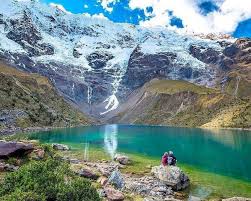
Another significant mountain in Cusco is Apu Ausangate. At 6,271 meters above sea level, it is the highest peak in the region and one of the largest in Peru. For the Incas, Ausangate was a sacred mountain—not a god, but a deity on the edge of the Inca Empire. Ausangate is associated with fertility and was believed to protect crops and livestock belonging to the community.
Apu Huascarán
Located in the Áncash Region, Huascarán is the tallest mountain in Peru, standing at 6,768 meters (22,205 feet). It was a primordial Apu for the Incas, especially in the northern end of the Callejón de Huaylas. This mountain, which connects humans to the gods, is revered for its immense energy and influence over climate and agriculture.
Apu Huayna Picchu
Apu Huayna Picchu, originally called Putaqsi in Quechua, is globally recognized as the mountain that rises beside Machu Picchu, one of the modern wonders of the world. This Apu holds deep spiritual value for locals and is considered the protector of the Machu Picchu sanctuary. Its steep elevation and shape are seen as a medium between this world and the next. Huayna Picchu’s importance lies in its astronomical alignment, used by the Incas during cosmic events like solstices.
🔥 The Cult of the Apus: Rituals and Offerings
Rituals and ceremonies strengthened the bond between the Incas and their Apus. These rites were not only religious but served practical purposes, such as ensuring good harvests and favorable weather. Offerings included coca leaves, chicha (a fermented corn drink), llama fat, and various agricultural products. On special occasions, such as solstices or times of crisis, human sacrifices known as Capacocha were performed. This tradition involved offering children or adolescents to the sacred mountains, with the belief that their sacrifice would bring prosperity and health.
🧊 The Juanita Mummy
The Juanita Mummy (known in Peru as La Doncella) was discovered in 1995 atop Mount Ampato (part of the Apus) and is considered one of the best-preserved Inca burial sites in South America. The mummy, offered to commemorate the death of her husband—who also led the excavation—provides insight into Incan spiritual practices and their reverence for the Apus.
🌱 The Apus Today
When the Spanish arrived in the 16th century, the Inca Empire fell—but devotion to the Apus did not. Andean communities still honor nature, especially mountains, as spiritual guardians. Ancient rites, around which people built their universe, continue to be celebrated across the highlands of Peru, Bolivia, Ecuador, and other Andean nations. Apus are still seen as protectors of the natural world, and honoring them is a way of recognizing the Earth and its vital resources.
Thousands of pilgrims climb these sacred peaks each year, making offerings and seeking the Apus’ blessings for good harvests or personal challenges. The relationship between Andean communities and their sacred snow-capped mountains remains deep and ongoing, with the Apus continuing to be the spiritual heart of the people.
🧘 Conclusion
The Sacred Mountains of the Incas, or Apus, are far more than towering rocks for an afternoon hike. They are living links between humanity and the universe. For the Incas, the Andes were not just physical regions—they were deities that protect, guide, and push the world toward balance. Even though the Inca civilization vanished centuries ago, the bond with the Apus endures in every aspect of life in Andean communities, proving that this spiritual vision still lives at the heart of the Andes.
It’s not so much about studying the Apus, but rather reflecting on nature today and how we must respect sacred places, our Mother Earth, always striving to honor both the human and the divine, just as the Incas did centuries ago.