Machu Picchu vs T’aqrachullo: Differences, Costs, and Which One to Visit Based on Your Travel Style
Since T’aqrachullo opened to tourism in December 2024, comparisons with Machu Picchu have become inevitable. Both are large-scale Inca archaeological sites located in the Cusco region. Both combine stone architecture, Andean landscapes, and a historical significance that justifies any journey. Yet they are radically different experiences, designed—if that word can be used—for travelers with very different expectations.
This guide is not intended to crown one over the other. Machu Picchu is one of the wonders of the modern world and absolutely deserves that distinction. T’aqrachullo is the most important archaeological discovery of recent years in southern Peru and has something Machu Picchu lost decades ago: silence. What follows is an honest comparison to help you decide what to visit, when to visit, and whether you can—or should—experience both.
Context: What Is Each Site?
Machu Picchu
Machu Picchu is the most famous Inca citadel in the world, built around the 15th century AD at 7,972 feet (2,430 m) above sea level on the eastern slopes of the Andes in the Cusco region. It was declared a UNESCO World Heritage Site in 1983 and selected as one of the New Seven Wonders of the World in 2007. It currently receives between 3,000 and 5,000 visitors per day under the controlled-entry system now in place.
Its architecture—terraces, temples, plazas, and residential structures perfectly integrated into the summit of a tropical mountain—is considered the pinnacle of Inca urban planning. The combination of cloud forest scenery, Andean mist, and extraordinary engineering precision makes it one of the most photographed and recognizable archaeological sites on Earth.
T’aqrachullo
T’aqrachullo is an extensive pre-Hispanic archaeological complex located in the district of Suyckutambo, Espinar Province, at more than 13,123 feet (4,000 m) above sea level within the Tres Cañones Regional Conservation Area. Opened for tourism in December 2024, the site contains more than 600 identified structures—including residential compounds, funerary chullpas, ceremonial water mirrors, and a section of the Qhapaq Ñan—with evidence of occupation ranging from the Wari culture to the Inca Empire.
Unlike Machu Picchu, T’aqrachullo is a recently accessible destination, largely undiscovered, free to enter, and supported by tourism infrastructure that is still under development. Depending on the type of traveler, that may be its greatest strength.
Direct Comparison: 8 Key Criteria
1. Size and Number of Structures
Machu Picchu contains approximately 200 structures within a 32,500-hectare protected buffer zone, with a dense and clearly defined urban core.
T’aqrachullo contains more than 600 identified structures spread across a vast plateau in Espinar, organized into sectors with residential, funerary, ceremonial, and transportation functions. In terms of the raw number of constructions, it surpasses Machu Picchu, although with lower density per square meter and a more partial state of restoration.
Verdict: T’aqrachullo wins in overall extent and number of structures. Machu Picchu wins in architectural density and finishing quality.
2. Accessibility and Logistics
Machu Picchu can be reached by train from Cusco or Ollantaytambo to Aguas Calientes, followed by a shuttle bus to the entrance. The total journey takes between 3 and 4 hours. There are multiple train providers, numerous hotels in Aguas Calientes, and daily service throughout the year.
T’aqrachullo is located 244 km (152 miles) from Cusco by road (approximately 5 hours to Yauri), followed by 45 minutes on an unpaved road to Suyckutambo. A four-wheel-drive vehicle is recommended for the final section. There is no train service or regular bus route to the archaeological site entrance. Logistics are more demanding and require greater advance planning.
Verdict: Machu Picchu, without question, wins in accessibility and logistical convenience.
3. Cost of the Visit
Machu Picchu: admission approximately 152 soles (foreign adult ticket) + train from $85 USD round trip + bus from Aguas Calientes $24 USD. Approximate total per person: $280–500 USD for transportation and admission alone, not including accommodation in Aguas Calientes if an overnight stay is required.
T’aqrachullo: free admission. The primary expense is transportation from Cusco: fuel or vehicle rental (~200–350 soles), plus optional accommodation in Yauri if staying overnight (~80–150 soles per night). Approximate total: 350–600 soles per person when sharing transportation.
Verdict: T’aqrachullo is considerably more affordable in terms of both admission and transportation costs.
4. Tourist Crowds
Machu Picchu receives between 3,000 and 5,000 visitors daily under the current quota and circuit system. Even with these restrictions, peak visitation hours—particularly between 9:00 AM and 2:00 PM—can feel overwhelming for travelers seeking connection with the site rather than the crowd.
T’aqrachullo, at the time of publication of this article, remains virtually untouched by mass tourism. Because it only opened in December 2024 and requires more demanding logistics, it receives only a small fraction of Machu Picchu’s visitors. You can walk among its structures freely, without assigned schedules or mandatory circuits.
Verdict: T’aqrachullo wins by a wide margin in tranquility and freedom of exploration.
5. Landscape and Natural Setting
Machu Picchu is surrounded by cloud forest, with tropical mountains that constantly change color depending on light conditions and shifting clouds. Huayna Picchu and Machu Picchu Mountain frame the citadel with dramatic vertical scenery. The morning mist that often covers the site is one of its most iconic visual features.
T’aqrachullo sits within the high Andean puna ecosystem, offering an entirely different landscape: golden grasslands, red-rock canyons, expansive skies, and sweeping views of the Apurímac River canyon. Its altitude (13,000+ feet / 4,000+ meters) creates more intense sunlight and a feeling of horizontal openness that contrasts sharply with Machu Picchu’s jungle-clad vertical environment.
Verdict: A tie—these landscapes are not directly comparable. Each is unique in its own way.
6. Preservation and Interpretation
Machu Picchu benefits from decades of archaeological research, restoration, and visitor interpretation. Informational panels, certified guides, and extensive academic literature allow visitors to gain a deep understanding of the site even without prior knowledge.
T’aqrachullo is still in a consolidation phase. More than 300 structures have been restored, but interpretive infrastructure (signage, information panels, visitor center) remains under development. To fully appreciate the site, hiring a local guide in Yauri or arranging a specialized tour from Cusco is highly recommended.
Verdict: Machu Picchu wins in interpretive maturity. T’aqrachullo offers the advantage of discovery without intermediaries.
7. Reservations and Advance Planning
Machu Picchu requires admission tickets to be reserved weeks—and sometimes months—in advance, especially during the high season (June–August). Tickets are purchased through the official Peruvian Ministry of Culture website. Sold-out dates are common and can easily disrupt a carefully planned trip if this step is overlooked.
T’aqrachullo does not require reservations. Access is currently free, open, and unrestricted by visitor quotas. This flexibility is a genuine advantage for travelers who prefer spontaneous planning or cannot commit to fixed travel dates far in advance.
Verdict: T’aqrachullo wins decisively in flexibility and spontaneity.
8. Altitude and Physical Demands
Machu Picchu sits at 7,972 feet (2,430 m) above sea level, the lowest altitude among the major archaeological sites in the Cusco region. This makes it accessible for most travelers, including children and older adults, without requiring significant prior acclimatization.
T’aqrachullo is located at more than 13,123 feet (4,000 m) above sea level in the high Andean puna. At least 48 hours of acclimatization in Cusco before visiting is strongly recommended. The terrain is uneven and requires proper hiking footwear. It is not recommended for travelers with cardiovascular or respiratory conditions without prior medical consultation.
Verdict: Machu Picchu wins in accessibility for all types of travelers.
Summary Comparison Table
🏛️ T’aqrachullo vs. Machu Picchu: Key Differences
🟢 Low visitation: allows visitors to explore the site with greater freedom and tranquility.
🟠 Remote access: requires advance planning and preferably an appropriate vehicle.
🔴 High demand: tickets frequently sell out weeks or even months ahead during peak season.
Which One Should You Visit Based on Your Travel Style?
Visit Machu Picchu If…
- It is your first trip to Cusco and you want to make sure you experience Peru’s most iconic destination
- You are traveling with children, older adults, or someone sensitive to high altitude
- You prefer a destination with complete visitor infrastructure: guides, signage, restaurants, and nearby services
- You only have a few days in Cusco (3–4 days) and cannot dedicate an entire day to transportation
- You want to capture the most recognizable photograph in South America
Visit T’aqrachullo If…
- You have already visited Machu Picchu and are looking for a different archaeological experience with fewer crowds
- You are interested in Andean archaeology beyond the traditional tourist circuit
- You enjoy destinations that feel like personal discoveries
- You have at least 7 days in Cusco and can dedicate an entire day to transportation
- You are looking for a free experience without reservations or crowds
- You are physically fit and properly acclimatized to high altitude
Visit Both If…
- You have 7 days in Cusco or more and want to experience the widest possible range of archaeological attractions in the region
- You want to compare two completely different Inca experiences firsthand
- You are a photographer or content creator searching for unique and distinctive imagery
Which One Should You Visit Based on Your Traveler Profile?
Visit Machu Picchu if…
- It’s your first trip to Cusco and you want to make sure you visit Peru’s most iconic archaeological site
- You’re traveling with children, older adults, or someone sensitive to high altitude
- You prefer an experience with complete infrastructure: guides, signage, nearby restaurants, and established services
- You only have a few days in Cusco (3–4 days) and cannot dedicate an entire day to transportation
- You want the most recognizable photograph in all of South America
Visit T’aqrachullo if…
- You have already visited Machu Picchu and are looking for a different, less crowded archaeological experience
- You are interested in Andean archaeology beyond the standard tourist circuit
- You enjoy destinations that feel like personal discoveries
- You have at least 7 days in Cusco and can dedicate a full day to the journey
- You are looking for a free experience with no reservations and no crowds
- You are in good physical condition and properly acclimatized to high altitude
Visit Both if…
- You have 7 days in Cusco or more and want to experience the broadest possible range of archaeological sites in the region
- You want to compare two completely different Inca experiences firsthand
- You are a photographer or content creator looking for unique and distinctive images
Can You Visit Both on the Same Trip?
Yes, absolutely, and it is the combination we recommend for travelers who have enough time. The logistics are as follows:
- Days 1–2: Arrival in Cusco and acclimatization
- Day 3: Sacred Valley
- Day 4: Machu Picchu (train from Ollantaytambo)
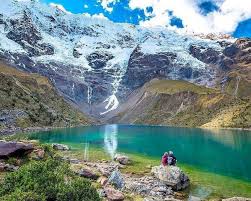
- Days 5–6: Rainbow Mountain or Humantay Lake
- Day 7: T’aqrachullo (very early departure from Cusco or overnight stay in Yauri the previous night)
The sequence follows a very logical travel progression: you begin with the most famous and accessible destinations and finish with the most unexpected and authentic one. Machu Picchu opens the journey with the grandeur the world already knows. T’aqrachullo closes it with the feeling of having discovered something the world is still in the process of discovering.
Frequently Asked Questions
Is T’aqrachullo Bigger Than Machu Picchu?
In terms of the number of identified structures, T’aqrachullo surpasses Machu Picchu with more than 600 documented constructions compared to approximately 200 at the Lost City. However, Machu Picchu has greater architectural density and a more complete state of restoration. Archaeologists point out that these are different types of sites with different functions and should not be directly compared solely in terms of size.
Which One Is Cheaper to Visit?
T’aqrachullo is considerably more affordable: admission is free, and the main expense is transportation from Cusco (approximately 150–250 soles when sharing a vehicle). Machu Picchu includes the entrance ticket (~152 soles), train tickets (starting around 60 USD), and the local bus (24 USD), easily reaching 300–500 soles per person just for access.
Do I Need to Reserve in Advance for T’aqrachullo?
No. Unlike Machu Picchu, which requires online reservations weeks in advance, T’aqrachullo currently offers open access without prior booking. This is one of its most practical advantages for spontaneous travelers or those with flexible itineraries.
Can Both Sites Be Visited on the Same Trip?
Yes. With 7 days in Cusco, you have enough time to visit both without exhausting yourself. Machu Picchu is reached by train from Cusco or Ollantaytambo. T’aqrachullo requires a full day of travel to the Espinar Province area, ideally with an overnight stay in Yauri the night before so you can start early.
Conclusion: It’s Not a Competition, It’s a Choice
T’aqrachullo is not here to dethrone Machu Picchu. Machu Picchu is, and will continue to be, one of the most extraordinary archaeological sites on the planet. But T’aqrachullo offers something that Machu Picchu can no longer provide: the experience of arriving before the crowds.
Visiting T’aqrachullo today is similar to what visiting Machu Picchu may have felt like in the 1970s, before mass tourism transformed the experience. The restored structures, the silence of the high Andean puna, the views over the Apurímac Canyon, and the sensation of walking through a place the world is only beginning to discover are gifts with an expiration date.
If you can visit both, do it. If you must choose one and you have already been to Machu Picchu, choose T’aqrachullo. If this is your first trip to Peru, start with Machu Picchu and save T’aqrachullo for your return trip—because you will return.