Inca Food Storage System: Qullqas, the Ancestral Engineering That Preserved Food Without Electricity
The Inca food storage system, known as qullqas (also spelled colcas), represents one of the most advanced examples of ancestral engineering and sustainable architecture in pre-Columbian civilizations. Long before the invention of modern refrigeration, the Incas developed an efficient, ecological, and highly organized method to preserve food for years—without electricity, artificial ice, or fossil fuels.
This documentary-style analysis explores the history, design, functionality, and cultural importance of the qullqas, revealing how the Inca Empire ensured food security across one of the most challenging geographies on Earth: the Andes Mountains.
What Were the Qullqas?
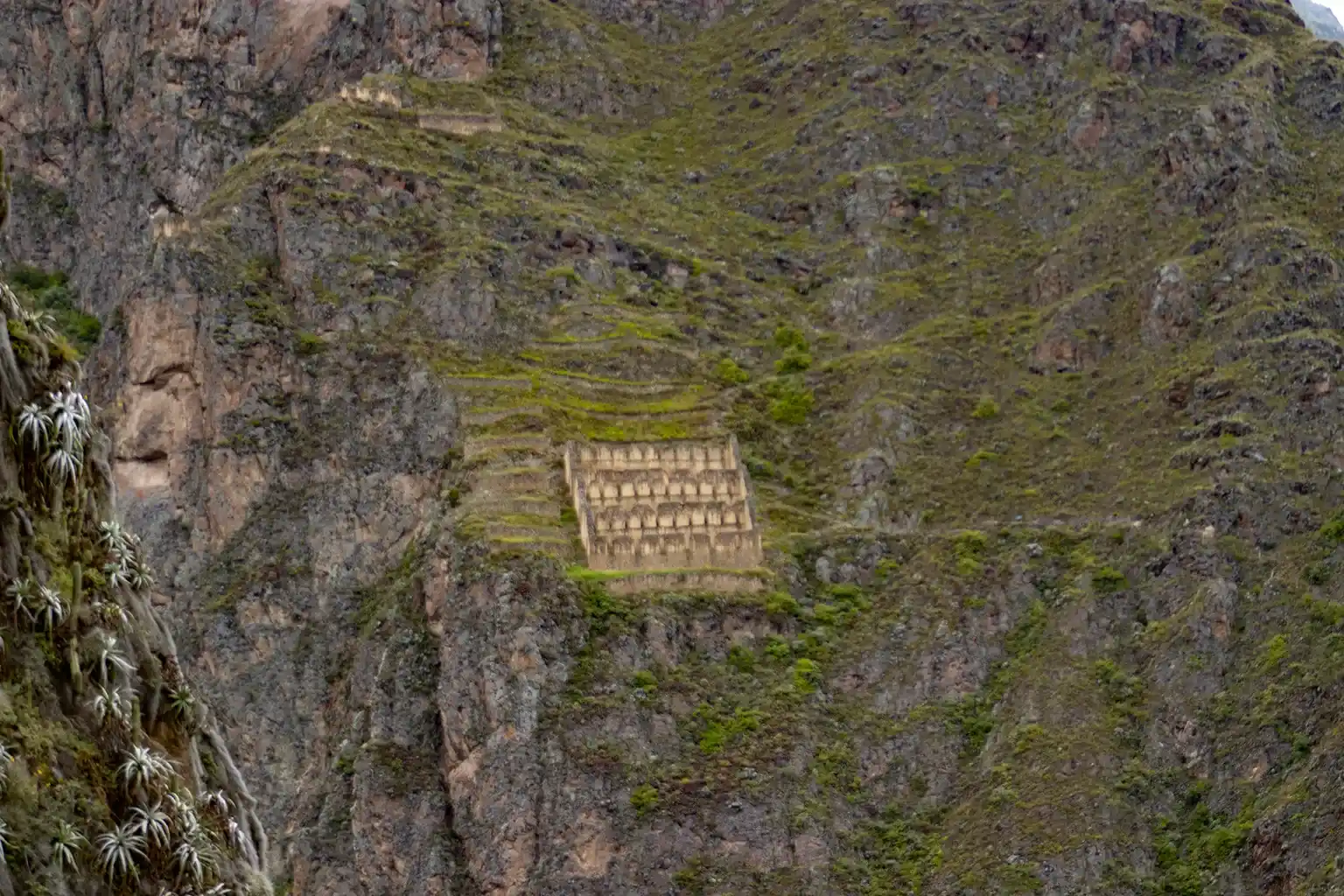
The qullqas were stone storage structures built by the Incas to preserve agricultural products such as potatoes, maize, quinoa, beans, coca leaves, and dried meat (charqui). These warehouses were strategically placed on mountain slopes, ridges, and high plateaus, usually above 3,500 meters (11,500 feet) above sea level.
Far from being simple granaries, qullqas were part of a state-controlled logistical network designed to support the population, the military, and religious institutions of the Tawantinsuyu (Inca Empire).
Strategic Location and Environmental Intelligence
One of the most remarkable aspects of the Inca food storage system was its deep understanding of Andean microclimates. The Incas selected locations where cold temperatures, strong winds, and low humidity naturally favored food preservation.
Qullqas were often built:
- On elevated slopes exposed to constant mountain winds
- Away from direct sunlight
- Near agricultural zones but separated from residential areas
- Along major Inca roads (Qhapaq Ñan)
This allowed for efficient distribution while minimizing spoilage and contamination.
Bioclimatic Architecture and Natural Refrigeration
The architectural design of the qullqas is a masterpiece of bioclimatic engineering. Their circular or rectangular stone walls were thick and porous, allowing for natural temperature regulation. Most structures featured:
- Opposing ventilation openings
- Elevated floors to prevent moisture
- Stone walls that absorbed cold nighttime temperatures
Cold air entered through lower openings, pushed warm air upward, and exited through higher vents, creating a constant airflow system. This process maintained stable internal conditions, acting as a passive refrigeration system.
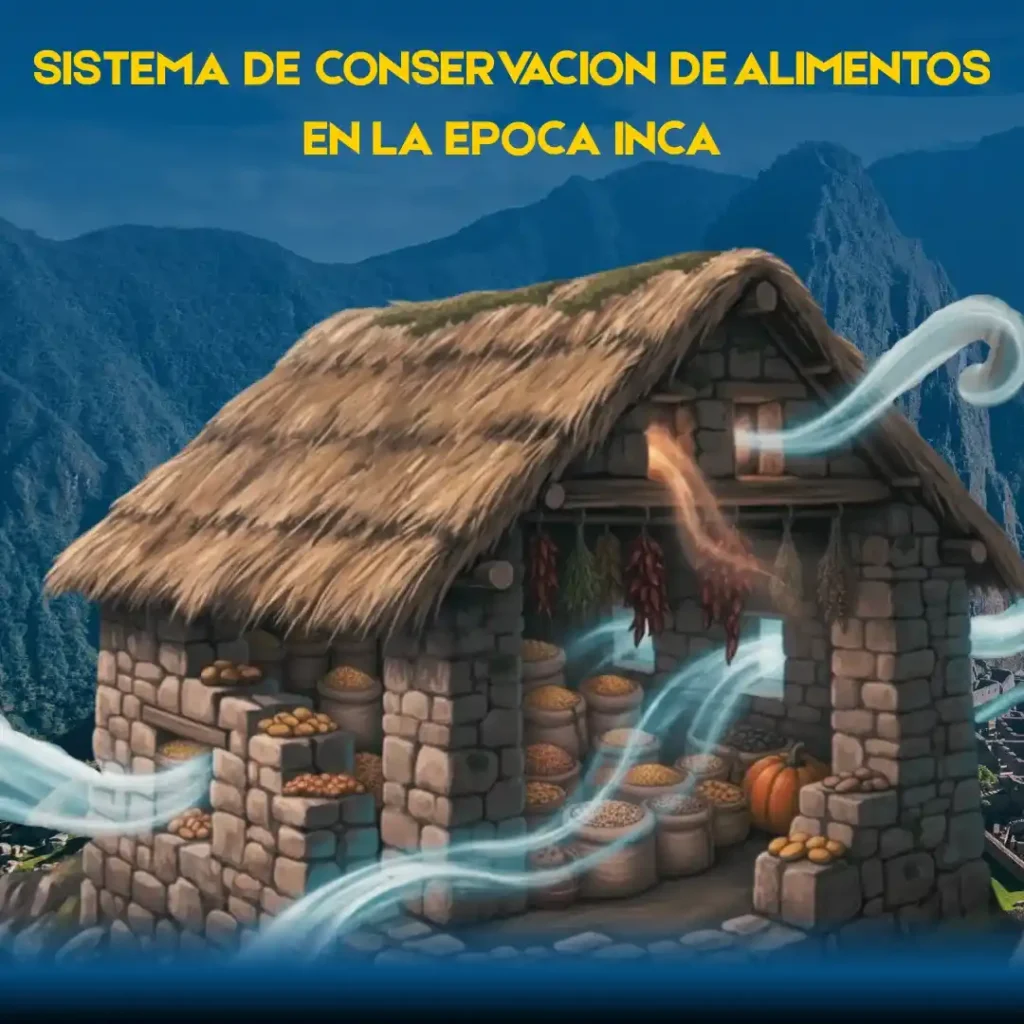
Food Preservation Techniques Used by the Incas
The Incas did not rely solely on architecture. They combined the qullqas with advanced food processing techniques such as:
- Chuño: freeze-dried potatoes produced using natural freeze-thaw cycles
- Charqui: sun-dried and salted meat
- Sun-drying of grains and legumes
These methods, combined with controlled storage environments, allowed food to remain edible for years or even decades.
Qullqas and the Inca State Economy
The qullqas were not privately owned. They were part of a centralized system managed by the Inca state. Stored food was redistributed during:
- Droughts and crop failures
- Frosts and natural disasters
- Military campaigns
- Religious festivals and public works
This system ensured food security and social stability, reinforcing the power and organization of the Inca Empire.
Archaeological Evidence and Notable Sites
Today, hundreds of qullqas can still be found across Peru, Bolivia, Ecuador, and northern Chile. Some of the most important archaeological sites include:
- Ollantaytambo
- Huánuco Pampa
- Hatun Xauxa
- Chinchero
Archaeological studies confirm their standardized construction and state-level planning, demonstrating a sophisticated understanding of logistics and resource management.
Sustainability Lessons for the Modern World
What makes the qullqas especially relevant today is their 100% sustainable design. They required:
- No electricity
- No artificial cooling
- No environmental pollution
Modern architects and engineers study these structures as early examples of sustainable architecture and climate-responsive design. In an era of climate change and energy crises, the Inca approach offers valuable insights.
Cultural Legacy and Ancestral Knowledge
The qullqas are more than archaeological remains; they are a testament to ancestral wisdom, scientific observation, and harmony with nature. They prove that advanced technology does not always require modern machines—sometimes, it requires understanding the environment.
Recognizing and preserving these systems means acknowledging that the Andes were not only a cultural center, but also a hub of innovation and scientific thought.
Conclusion: The Qullqas as a Timeless Innovation
The Inca food storage system stands as a powerful reminder that sustainable solutions already existed centuries ago. The qullqas demonstrate how humanity can thrive by working with nature rather than against it.
In the stone walls of these ancient warehouses lies a message for the future: ancestral knowledge still holds answers to modern challenges.
Peru is not only the cradle of ancient civilizations—it is a living source of innovation.
If you’d like to learn more about Colcas, you can take the Sacred Valley of the Incas tour in Ollantaytambo, and also visit Machu Picchu , where there is evidence of the construction of this Inca architecture. You can also inquire about our packages to Cusco.