Salkantay Trek in the Rainy Season — Is It Worth It?
Travelers ask this question all the time: “I’m visiting Peru in January, February, or December — can I still do the Salkantay Trek?” The honest answer isn’t a simple yes or no. The Salkantay Trek does not have an official seasonal closure like the Inca Trail, which closes every February. However, trail conditions can change significantly during the rainy season, and travelers who arrive unprepared may face unexpected challenges.
This guide won’t tell you that the rainy season is perfect for the Salkantay Trek, nor will it claim that hiking is impossible. Instead, it explains what you can expect month by month so you can make an informed decision based on realistic conditions rather than marketing promises.
First, the Facts: When Is the Rainy Season on the Salkantay Trek?
The rainy season along the Salkantay Trek generally runs from November through March, with the heaviest rainfall typically occurring in January and February. Some tour operators choose not to run trips during this period because of the risks associated with heavy rain and slippery trails.
| Month | Rainfall | Trail Conditions | Crowds | Temperature at the Pass (4,638 m / 15,217 ft) |
|---|---|---|---|---|
| November | 🟡 Rainy season begins; intermittent showers | Generally good | Very low | -2°C to 5°C (28°F to 41°F) |
| December | 🟠 Frequent afternoon rain | Some muddy sections | Low | -3°C to 4°C (27°F to 39°F) |
| January | 🔴 Heavy, sometimes torrential rain | Mud and potential landslide hazards | Very low | -2°C to 6°C (28°F to 43°F) |
| February | 🔴 Typically the wettest month | Challenging sections; possible landslides | Very few hikers | -1°C to 7°C (30°F to 45°F) |
| March | 🟠 Heavy rain gradually begins to ease | Conditions gradually improve | Low | -2°C to 5°C (28°F to 41°F) |
⚠️ Important: January and February are generally the wettest months on the Salkantay Trek, and many trekking agencies choose not to operate during this period. The Inca Trail closes in February, but the Salkantay route does not have the same official annual closure. However, the absence of an official closure does not mean conditions are equally safe throughout the year.
The Real Advantages of Hiking the Salkantay Trek During the Rainy Season
The rainy season does have some genuine advantages that many travel guides overlook.
1. Far Fewer Tourists on the Trail
The rainy season is considered the low season for the Salkantay Trek, so you may encounter fewer hikers and enjoy a quieter experience. The landscape also becomes greener and more lush, creating opportunities to appreciate the region’s rich biodiversity.
During the peak season from June through August, Soraypampa campsite can be busy, sometimes hosting more than 150 people. In January, you may encounter fewer trekking groups along the route, although visitor numbers vary by day and operator.
2. Spectacular Green Landscapes and Waterfalls
During the dry season, the Salkantay Trek impresses visitors with its snowcapped mountains and clear blue skies. During the rainy season, its appeal changes: the landscape becomes intensely green.
Waterfalls that may appear as small streams in July can become much more powerful after rainfall. The subtropical valleys along the later stages of the trek, including the areas around Chaullay and La Playa, become lush and densely vegetated.
The scenery can be dramatically different from what you’ll see during the dry season, although cloud cover and rain may also limit visibility.
3. Potentially Lower Prices and More Availability
As the rainy season is generally considered the low season, some tour operators may offer lower prices than during the peak trekking months. Discounts vary by company, departure date, and service level, so savings are not guaranteed.
Availability may also be better, making it easier to find a departure or accommodation option that suits your schedule. During the peak season, some popular campsites and tour departures can fill up weeks in advance.
4. Machu Picchu May Be Less Crowded
Machu Picchu, the final destination for many Salkantay trekkers, can also experience different visitor patterns during the rainy season. Mist moving through the mountains can create an atmospheric setting that feels very different from the clearer, busier days often associated with peak season.
However, rain and cloud cover may obscure views of the citadel, and visitor numbers vary throughout the year. If seeing Machu Picchu is your main priority, consider both the weather and your preferred travel experience before choosing your dates.
The Real Risks of Hiking the Salkantay Trek During the Rainy Season
This section is just as important as the advantages. The risks of doing the Salkantay Trek during the rainy season are real and should not be underestimated.
Slippery Trails and Mud
From November through March, rainfall can make sections of the trail muddy and slippery. Two areas that may be particularly challenging are the descent from Salkantay Pass, one of the trek’s longest and most demanding sections, and parts of the third day as the route descends through the canyon toward the subtropical zone.
Wet rocks, loose ground, and muddy paths can make walking more difficult, increase the risk of falls, and slow your progress.
Landslides — The Most Serious Risk
Landslides and mudflows can occur after heavy rainfall, even if the weather appears clear on the day you begin hiking. Depending on their location and severity, these events can block roads and trails, disrupt transportation, or temporarily affect access to Machu Picchu and Aguas Calientes.
The risk depends not only on the weather during your trek but also on rainfall in the preceding days and the resulting ground conditions. Local authorities and tour operators may change or suspend itineraries when conditions become unsafe.
Limited Visibility at Salkantay Pass
One of the most iconic viewpoints on the trek is Salkantay Pass, with its dramatic mountain scenery and snowcapped peaks. During the rainy season, clouds and fog can obscure these views, particularly in the morning.
This does not necessarily prevent you from reaching the pass, but it may affect the scenery you experience at one of the trek’s most memorable locations. Visibility can change quickly in the mountains, so clear views are never guaranteed.
Cold, Wet Weather — More Challenging Than Dry Cold
Temperatures at the pass can drop below freezing, with readings potentially reaching around -5°C (23°F) under certain conditions. Cold, wet weather can feel much harsher than dry cold, especially when your clothing, tent, or sleeping gear becomes damp and there is little sunshine to dry it.
Waterproof clothing and properly protected equipment are essential. Staying warm and dry is not simply a matter of comfort; it is an important part of managing exposure to cold weather during a high-altitude trek.
Month by Month: When Should You Hike the Salkantay Trek?
✅ November and the First Half of December — These can be some of the more appealing periods within the rainy season. Showers may still be intermittent, the landscape is becoming greener, and there are generally fewer hikers than during peak season. If your vacation falls in November, this may be a good compromise between greener scenery and potentially more manageable conditions. Weather can still change quickly.
🟡 Second Half of December and Early January — Conditions can be mixed. Rain becomes more frequent, but periods of favorable weather are still possible. Bring complete waterproof gear, allow flexibility in your itinerary, and check trail conditions with your tour operator before departure.
🔴 Second Half of January and All of February — This is generally the most challenging period for the Salkantay Trek because of heavier rainfall and an increased risk of landslides and trail disruptions. Conditions may affect access, transportation, and the itinerary. These dates are better suited to experienced trekkers who are properly equipped and prepared for difficult wet-weather conditions. They may not be the best choice for your first high-altitude trek.
✅ March and April — Rainfall generally begins to decrease as the season transitions toward drier conditions, although March can still bring substantial rain. By April, conditions often become more favorable for trekking, while the landscape may remain green and crowds may be lighter than during peak season. April can be an appealing option for travelers seeking a balance between scenery, weather, and visitor numbers, but conditions vary from year to year.
Essential Gear for the Salkantay Trek During the Rainy Season
If you decide to hike the Salkantay Trek during the rainy season, proper equipment is essential. The right gear can make a major difference to your comfort and safety.
- 🌧️ Rain poncho or waterproof jacket with a hood — A poncho can cover both you and your backpack, while a waterproof jacket may be more comfortable for active hiking.
- 🎒 Waterproof backpack rain cover — Protect your gear from getting soaked, and use dry bags inside your pack for extra protection.
- 🥾 Waterproof hiking boots with good traction — Choose footwear with reliable grip for muddy and slippery terrain. Trail-running shoes may not provide sufficient protection or traction in particularly wet conditions.
- 🧦 Two extra pairs of merino wool socks — Dry socks help keep your feet more comfortable and reduce the risk of blisters.
- 🏕️ Waterproof sleeping bag liner or dry bag — Keep your sleeping bag dry so it can provide the insulation you need overnight.
- 🧤 Warm gloves and a neck gaiter — Protect yourself from cold wind, rain, and low temperatures at higher elevations.
- 📱 Waterproof phone case — Protect your phone and keep travel documents in a waterproof pouch or sealed bag.
Alternatives If You Don’t Want to Take the Risk
If your vacation falls in January or February and you would rather avoid the potential challenges of the Salkantay Trek during the rainy season, consider these alternatives from Cusco.
- 🚂 1-Day or 2-Day Machu Picchu Tour by Train — Visit the Inca citadel without undertaking a multi-day trek. Rain and mist can create an atmospheric setting at Machu Picchu, although weather may limit visibility. View the tour →
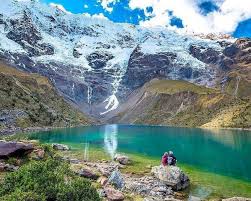
- 🏔️ Humantay Lake — A popular day hike with spectacular mountain scenery. It is shorter than the Salkantay Trek, but it still involves high altitude and can be affected by rain, slippery trails, and changing weather. Check current conditions before booking. View the tour →
- 🏕️ Sacred Valley of the Incas — Explore archaeological sites and traditional Andean towns on a day trip from Cusco. Destinations such as Pisac, Ollantaytambo, and Maras can be visited throughout the year, although weather may affect travel conditions and individual activities. Read the guide →
👉 Read the Complete Salkantay Trek vs. Inca Trail Comparison →
Frequently Asked Questions About the Salkantay Trek in the Rainy Season
Does the Salkantay Trek close during the rainy season?
No. The Salkantay Trek does not have the same official annual February closure as the Inca Trail. However, individual sections may become inaccessible or unsafe because of heavy rain, landslides, or other hazards. Whether a tour operates depends on current trail conditions, local guidance, and the operator’s safety assessment.
What is the worst month to do the Salkantay Trek?
February is generally considered one of the most challenging months because it typically brings the heaviest rainfall of the year. The risk of landslides, muddy trails, and travel disruptions may be higher. If your dates are flexible, consider avoiding the second half of January and February, particularly if you have limited trekking experience.
Is the Salkantay Trek worth doing in November?
Yes, November can be an appealing time to hike the Salkantay Trek. Rainfall may still be intermittent, the landscape starts to turn greener, and there are generally fewer hikers than during the peak season. It can be a good option for travelers who want quieter trails and lush scenery, provided they are prepared for changing weather.
Do I need a tour operator for the Salkantay Trek during the rainy season?
Hiring a reputable tour operator is worth considering, especially during the rainy season. Local guides and operators may have more up-to-date information about trail conditions, road access, and itinerary changes. They can also help coordinate logistics if conditions deteriorate. Independent trekking requires careful preparation, current local information, suitable equipment, and a clear plan for responding to emergencies.
Planning to Hike the Salkantay Trek?
Contact our team to discuss the best dates for your trip. Our local guides can help you understand current trail conditions and choose an itinerary based on your travel dates and experience.
5-day treks · Camping or lodge options · Shared or private departures
Explore the 5-Day Salkantay Trek →
Compare the Salkantay Trek and Inca Trail →